Stump Grinding Cost in 2026: Real Prices and DIY vs Hiring
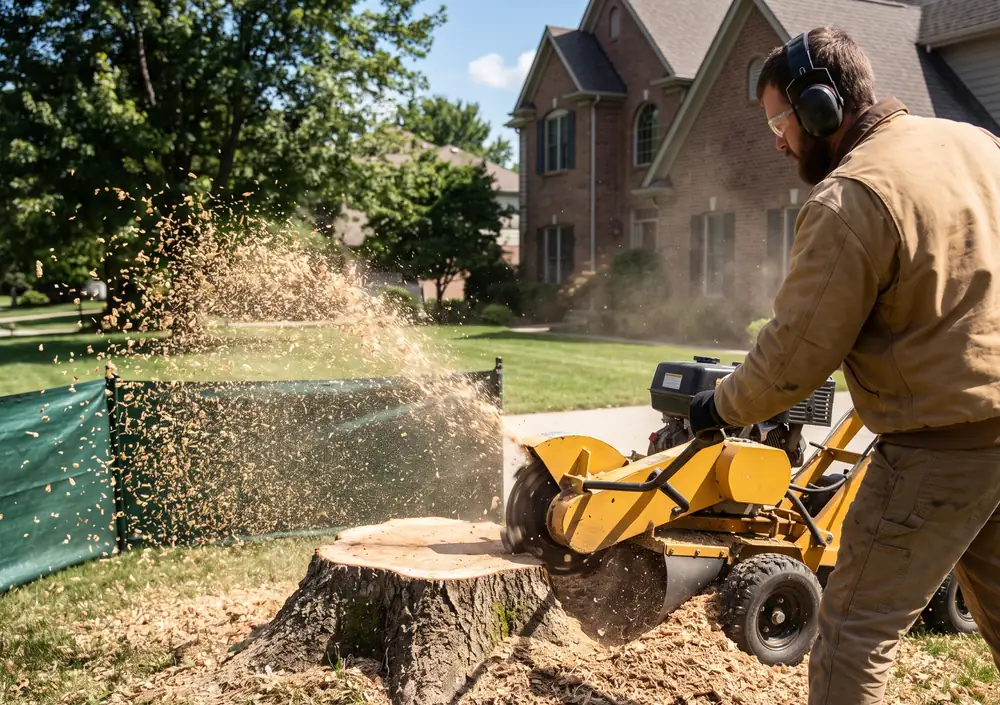
Stump grinding cost: in 2026, most homeowners pay between $100 and $400 to grind a single stump, with pricing usually running about $3 to $5 per inch of diameter and a minimum charge that makes one small stump feel expensive. I have ground a lot of stumps over 16 years in the trade, and I want to give you honest numbers, explain the cheaper and slower alternatives, and run the real math on renting a grinder yourself.
The stump is the part of the job people forget about until the tree is already down and there is a knee-high chunk of wood in the lawn. Sometimes it is included in the removal quote, often it is not. Either way, here is what it actually costs and what your options are.
Grinding vs Full Removal vs Rotting It Out
Three ways to deal with a stump, and they are not the same job.
Stump grinding
A machine with a spinning toothed wheel chews the stump down into a pile of mulch, usually 4 to 6 inches below grade, sometimes deeper. Fast, clean, and the most common choice. It leaves the deeper roots in the ground to decay naturally, which is fine for almost everything except where you are putting in a new structure or another tree in the exact same spot.
Full stump and root removal
Digging out the entire stump and root ball with an excavator. Far more expensive and destructive to your yard, only worth it when you need the ground completely clear, like for construction or a new tree in the same hole. Most homeowners do not need this.
Chemical or natural rot
The slow road. You can drill holes and add a chemical stump remover, or just let nature take its course. I will be straight with you below: this is slow, often years, and not the magic shortcut people hope for.
What Drives the Grinding Price
Same as removal, the surroundings matter as much as the stump.
Diameter
This is the main number. Stump grinding is usually priced per inch of diameter, measured across the stump at ground level. The typical rate is $3 to $5 per inch, with a minimum charge of around $100 to $150 because it is not worth a crew hauling a grinder out for less.
Grind depth
Standard is grinding 4 to 6 inches below grade, enough to plant grass over. If you need it ground deeper, say 12 inches or more for a new planting or a patio, expect to pay more because that is more passes and more wear on the teeth.
Surface roots
Some trees, maples especially, send big roots running across the surface. If you want those ground out too, not just the central stump, that adds time and cost. Make sure your quote states whether surface roots are included or just the main stump.
Debris haul and cleanup
Grinding produces a surprising volume of mulch, more than the stump looked like it would. Some crews leave the grindings for you to spread or haul, some take them away for an extra fee. Filling the hole with topsoil is usually on you unless you ask. Confirm what is included.
2026 Stump Grinding Cost Ranges
Honest ranges for a single stump in a mid-size US market, standard grind depth, reasonable access.
| Stump diameter | Typical grinding cost | Notes |
|---|---|---|
| Up to 12 in | $100 to $150 | Usually the minimum charge |
| 12 to 24 in | $150 to $300 | Most yard-tree stumps |
| 24 to 36 in | $300 to $450 | Big hardwood stumps |
| 36 in and up | $450 to $700+ | Large stumps, more passes |
| Per-inch rate | $3 to $5 per inch | Common pricing model |
If you have several stumps done at once, the per-stump price usually drops, because the crew is already on site with the machine. It is almost always cheaper to bundle stumps with the removal or with each other than to call someone back for one.
DIY Grinder Rental: The Real Math
You can rent a stump grinder from a home improvement store or rental yard. Here is the honest math before you do.
- Rental cost: a walk-behind stump grinder runs roughly $100 to $200 for a half day, plus a deposit, plus fuel.
- Transport: these machines are heavy. You often need a trailer or a truck with a ramp to get one home.
- Time and skill: grinding a stump by hand is slow, physical, and the machine throws debris hard. A pro does in 20 minutes what takes a first-timer over an hour.
So for one medium stump, the rental can cost nearly as much as hiring it out, and you do the labor and the hauling. The DIY math only really wins when you have several stumps to grind in one rental day. If you have five stumps to do, a half-day rental can beat five separate service calls. For one stump, I usually tell people to just hire it.
If you do rent, gear up. The machine throws wood chips and the occasional rock at speed. Wear real eye protection and ear protection, a forestry helmet with face shield, and sturdy work gloves. Steel-toe boots are not optional around a grinder.
The Honest Truth About Chemical Stump Removers
People ask me about the powder you pour into drilled holes, sold as a stump remover. Here is the straight answer. Chemical stump removers, which are mostly potassium nitrate, speed up the natural rotting of the wood. They do not dissolve the stump and they do not work fast. You drill holes, add the product, keep it moist, wait, and over many months to a couple of years the wood softens enough to break apart or burn out.
It is cheap, the product itself runs only a few dollars, and it takes almost no labor. But it is slow, and it only works well on a stump that is already somewhat dead and dry. If you are patient and the stump is out of the way, it is a legitimate low-cost option. If you want the stump gone this month so you can plant grass or build something, grinding is the answer. If you want to try the slow route, look at a stump remover granules product and set your expectations for the long game. You can speed natural rot a little by keeping the stump damp and covered, and some people use Epsom salt for stump removal as a cheaper version of the same slow process.
Do not believe anyone selling a chemical that "dissolves the stump overnight." That product does not exist. Rotting wood takes time no matter what you pour on it.
What to Do With the Hole and the Grindings
Grinding leaves you with two things: a depression where the stump was and a pile of wood mulch mixed with soil. People underestimate both. The hole, once the grindings settle, can be deeper than you expect, and the mulch volume is often a wheelbarrow or two more than the stump looked like it should produce.
If you are planting grass over the spot, do not just rake the grindings flat and seed into them. Wood mulch is low in nitrogen and as it breaks down it actually pulls nitrogen out of the soil, so grass struggles. The better move is to scoop out most of the grindings, fill the hole with clean topsoil, tamp it, and seed into that. Save the grindings to use as mulch in beds, where they are genuinely useful.
If you are planting a new tree, do not put it in the exact spot of the old one. The leftover roots and grindings make for poor soil, and there can be disease carryover depending on why the first tree died. Shift the new tree a few feet over, or have the stump fully removed rather than ground.
Why Stumps Are Worth Dealing With
People sometimes ask whether they can just leave the stump. You can, but there are real reasons not to. A stump is a trip hazard and a mower-killer hiding in the lawn. It can sprout suckers, sending up a thicket of shoots from the old root system that you fight for years. And a decaying stump attracts carpenter ants, termites, and other pests that you would rather not invite right next to your foundation. Tree-care nonprofits like the Arbor Day Foundation cover this kind of stump and root decay in their homeowner tree-care guidance.
Grinding solves all of that in an afternoon. The slow rot methods solve it eventually, but you live with the stump, the sprouts, and the bugs in the meantime. That tradeoff is the whole decision: pay more now to be done, or pay little and wait.
How Stump Cost Fits the Whole Job
Remember that stump grinding is usually a line item on top of removal, not part of it. When you compare tree removal quotes, the cheap one is often cheap because it leaves you the stump. I break down full removal pricing in my tree removal cost guide, and how to make sure stump and cleanup are in writing in my guide to hiring a tree service.
Frequently Asked Questions
How much does stump grinding cost in 2026?
Most homeowners pay between $100 and $400 to grind a single stump, with pricing usually running about $3 to $5 per inch of diameter. There is almost always a minimum charge of around $100 to $150, because it is not worth a crew hauling a grinder out for less. That minimum is why one small stump can feel expensive.
Is stump grinding cheaper than full stump removal?
Yes, grinding is much cheaper. Grinding chews the stump down 4 to 6 inches below grade and leaves the deeper roots to decay naturally, which is fine for almost everything. Full stump and root removal with an excavator costs far more and tears up your yard, so it is only worth it when you need the ground completely clear for construction or a new tree in the same hole.
Can I grind a stump myself, and is it worth renting a grinder?
You can rent a walk-behind stump grinder for roughly $100 to $200 per half day, plus a deposit, fuel, and a trailer to haul the heavy machine. For one medium stump, the rental can cost nearly as much as hiring it out, and you do all the labor and cleanup. DIY only really pencils out when you have several stumps to grind in a single rental day.
Does stump grinding remove the roots?
No, grinding only removes the stump and the surface area down to 4 to 6 inches below grade. The deeper roots stay in the ground and decay naturally over time, which is fine for replanting grass or building a bed. If you need the roots gone too, for surface roots add time and cost to the quote, or for a full clear-out you need excavation rather than grinding.
Do chemical stump removers actually work?
They work, but slowly. Chemical stump removers are mostly potassium nitrate, and they speed up the natural rotting of the wood over many months to a couple of years. They do not dissolve the stump and nothing pours on overnight to make a stump disappear. They are a legitimate low-cost option only if the stump is out of the way and you are patient.
Should I fill the hole after stump grinding?
Yes, but do not just rake the grindings flat and seed into them. Wood mulch is low in nitrogen and pulls it out of the soil as it breaks down, so grass struggles. Scoop out most of the grindings, fill the hole with clean topsoil, tamp it, and seed into that. Save the grindings to use as mulch in beds, where they are genuinely useful.
Is it cheaper to grind multiple stumps at once?
Yes. The per-stump price usually drops when several are done in one visit, because the crew is already on site with the machine. It is almost always cheaper to bundle stumps with the removal or with each other than to call someone back for one. The same logic makes a DIY rental day worthwhile only when you have several stumps to do.
The Bottom Line
Budget roughly $3 to $5 per inch of stump diameter, with a $100 to $150 minimum, for professional grinding to about 6 inches below grade. Bundle multiple stumps to save. Renting a grinder only pencils out if you have several to do at once, and even then it is hot, physical work. Chemical removers are cheap and slow, fine for a stump you can ignore for a year, useless if you want it gone now.
Decide what the spot needs to do next. Planting grass? A standard grind is plenty. Building on it or replanting a tree in the same hole? You may need full removal. Either way, get the stump written into the quote up front so it is not a surprise after the tree is already down. Find vetted, insured crews who handle stumps in our directory.