Best Chainsaw for Homeowners 2026: A Climber's Honest Picks
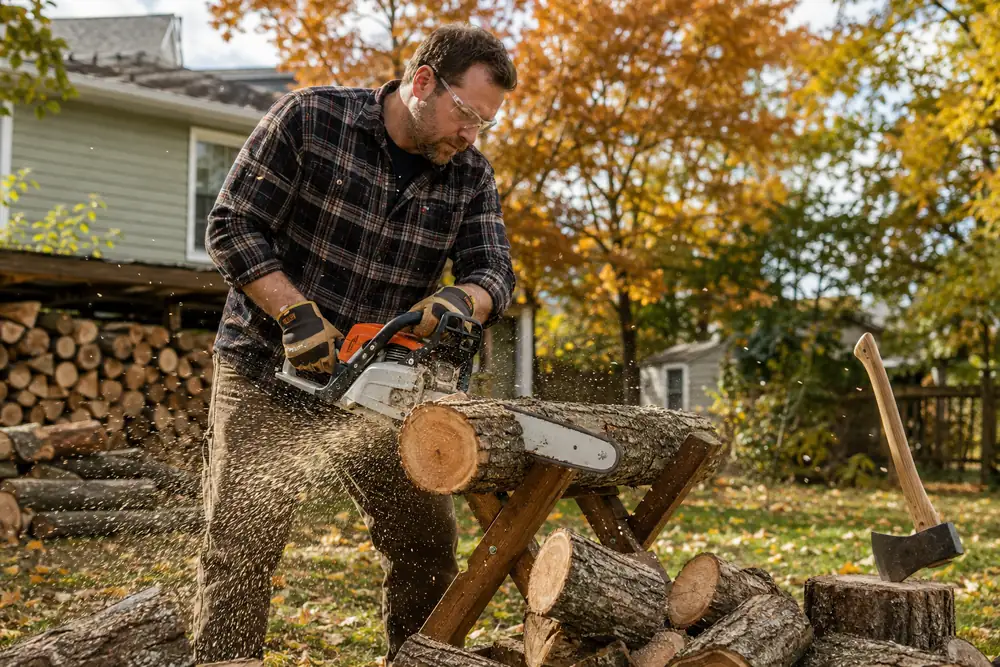
Best chainsaw for homeowners: for most homeowners in 2026, a 14 to 16 inch battery saw from EGO, Greenworks, or Makita handles 90 percent of yard work safely and with far less hassle than gas, and you step up to a gas Echo or Husqvarna only if you are cutting a lot of seasoned hardwood or felling small trees. I have run saws professionally for 16 years, and I want to steer you toward the right tool, not the biggest one.
Here is the thing I tell every homeowner who asks me what saw to buy. The saw matters less than how you use it and what you wear. A guy with a modest battery saw, proper chaps, and good judgment is safer and gets more done than a guy with a 60cc pro saw he is scared of. So I am going to cover the picks, but I am going to nag you about gear, because I have seen what a chain does to a leg.
Gas vs Battery vs Corded
Each has a place. Pick based on what you actually cut.
Battery
For the average homeowner in 2026, battery is the right answer. Modern 56V and 80V saws cut clean through limbs up to 8 or 10 inches, start with a trigger pull every time, make almost no noise, and never leave you fighting a flooded carburetor in spring. The tradeoff is run time. If you are bucking a whole downed tree, you will want spare batteries. For pruning, storm cleanup, and cutting firewood rounds, battery is plenty.
Gas
Gas still wins for sustained heavy cutting: hours of bucking seasoned oak, or dropping small trees. More raw power, no battery to run dry, but more maintenance, more noise, and you have to deal with fuel mix and storage. If you genuinely cut a lot of big hardwood, gas earns its keep.
Corded electric
Cheap, light, and fine for cutting near the garage. The cord is the catch. You will hate it the moment you walk to the back of the lot. I only recommend corded for someone cutting small stuff close to an outlet.
Bar Length by Task
Match the bar to the job. Bigger is not better. A longer bar than you need is heavier, harder to control, and more dangerous.
| Bar length | Best for | Skill level |
|---|---|---|
| 10 to 12 in | Pruning, limbing, small branches | Beginner |
| 14 to 16 in | General yard work, firewood, most homeowners | Beginner to intermediate |
| 18 to 20 in | Larger firewood, small tree felling | Experienced |
| 20 in and up | Big trees, professional work | Pros only |
Rule of thumb: your bar should be about two inches longer than the diameter of what you usually cut. Most homeowners never need more than 16 inches.
My Picks for 2026
These are real consumer brands I trust. I am not going to pretend one saw is perfect for everyone.
Battery saws (where most of you should start)
- EGO Power+ 16-inch: the one I hand to homeowners most often. The 56V platform has real torque, the 16-inch bar covers most yard work, and if you already own EGO yard tools the batteries cross over. Look at the EGO Power+ 16 inch chainsaw.
- Greenworks 80V 18-inch: more bar for the money, good for someone cutting firewood rounds. Solid value. See the Greenworks 80V 18 inch chainsaw.
- Makita 18V X2 (36V) 14-inch: if you are a Makita tool owner, this runs on two of your existing 18V packs and cuts above its weight. Light and balanced. Check the Makita 36V 14 inch chainsaw.
- DeWalt 60V 16-inch: same logic for the DeWalt FlexVolt crowd. Strong saw, drops into a kit you may already own. Look at the DeWalt 60V 16 inch chainsaw.
Gas saws (for heavier, sustained cutting)
- Echo CS-400 / mid-size Echo: Echo makes a homeowner-friendly gas saw that starts easier than most and runs forever. A great first gas saw if you are cutting a lot of wood. See the Echo gas chainsaw 18 inch.
- Husqvarna 120 / 130 series: Husqvarna's homeowner line is well balanced and dependable for firewood and storm work. Look at the Husqvarna homeowner chainsaw.
One note: Stihl makes excellent saws, but Stihl is generally not sold on Amazon. You buy those from local servicing dealers. That dealer relationship is actually a plus if you want hands-on help, so do not rule Stihl out just because you cannot add it to a cart.
Pole Saws for Reaching Up
For trimming branches overhead without leaving the ground, a pole saw beats standing on a ladder with a chainsaw, which is one of the most dangerous things a homeowner can do. A battery pole saw reaches 8 to 12 feet of branch and keeps your feet planted. Look at a cordless pole saw for trimming. Never, ever run a chainsaw off a ladder. If the branch is higher than a pole saw reaches, that is a job for a crew with a bucket truck.
Mandatory Safety Gear
This is not optional and I will not soften it. A chainsaw does not care that you are careful. Kickback happens in a fraction of a second. The hazards are well documented by OSHA, which is exactly why professional crews are required to wear this gear. Wear this every single time.
- Chaps. Cut-retardant chainsaw chaps clog the chain and stop it before it reaches your leg. The most common serious saw injury is to the upper leg. Get chainsaw safety chaps and wear them.
- Helmet with face shield and ear protection. A combined forestry helmet protects your head from falling limbs and your face from chips, with built-in ear muffs. See a forestry helmet with face shield.
- Cut-resistant gloves. Better grip, less vibration fatigue, and protection. Look at chainsaw work gloves.
- Sturdy boots and eye protection. Steel-toe boots and safety glasses round it out.
The total cost of full safety gear is a fraction of what you spend on the saw, and a tiny fraction of an emergency room visit.
Keeping the Saw Running Right
A saw that is poorly maintained is more dangerous than an underpowered one, because a dull or loose chain grabs and kicks. Most homeowners I meet never touch their chain until it stops cutting, by which point they have been forcing a dull saw for weeks, which is exactly how kickback accidents happen.
Three habits keep you safe and your saw cutting clean.
- Keep the chain sharp. A sharp chain pulls itself into the wood and throws coarse chips. A dull chain makes fine sawdust and forces you to push, which is where you lose control. Touch up the teeth with a round file every couple of tanks, or use an inexpensive guided sharpener kit when it gets bad.
- Check chain tension before every use. A chain should be snug to the bar but still pull around by hand with a glove on. Too loose and it can derail and whip. Too tight and it overheats and binds.
- Keep the bar oiled. The bar oil reservoir feeds the chain so it does not run dry and burn. Top it off every time you refuel or swap a battery. Running a saw with an empty oil tank ruins the bar fast.
None of this is hard. Five minutes of attention before you cut makes the saw safer and doubles its working life.
Reading the Saw's Power Honestly
One thing manufacturers blur is how power actually translates to cutting. For gas saws, look at engine displacement in cc; for battery saws, look at voltage and the actual bar torque, not just the headline voltage number. A 40V saw and an 80V saw are not in the same league. For homeowner cutting, a 56V or 60V battery platform is the sweet spot, enough torque for real limb wood without the weight and complexity of pro gas.
Do not chase the biggest number. A saw heavier than you can comfortably hold at arm's length for a few seconds is a saw you will fatigue with and lose control of. Fatigue is an underrated cause of accidents. Match the tool to your body and your real workload, not to the spec sheet.
Frequently Asked Questions
Should a homeowner buy a gas or battery chainsaw in 2026?
For most homeowners, battery is the right call. A 56V or 60V battery saw starts with a trigger pull, makes little noise, and cuts clean through limbs up to 8 or 10 inches with no fuel mix or carburetor headaches. Only step up to gas if you regularly buck seasoned hardwood for hours or drop small trees, where the sustained power earns its keep.
What size chainsaw bar do I actually need?
A 14 to 16 inch bar handles about 90 percent of homeowner yard work, and most people never need more than that. The rule of thumb is that your bar should be roughly two inches longer than the diameter of what you usually cut. A longer bar than you need is heavier, harder to control, and more dangerous, not better.
Is a battery chainsaw powerful enough to cut firewood?
Yes, for firewood rounds and storm cleanup a modern 56V or 80V battery saw is plenty. The real limit is run time, not cutting power, so buy a spare battery if you plan to buck a whole downed tree in one session. For occasional firewood and limbing, one battery does the job.
What safety gear do I need to run a chainsaw safely?
At minimum, wear cut-retardant chaps, a forestry helmet with a face shield and ear protection, cut-resistant gloves, and steel-toe boots. Chaps are the single most important piece because the most common serious saw injury is to the upper leg, and chaps clog the chain and stop it before it reaches you. Full gear costs a fraction of the saw and a tiny fraction of an emergency room visit.
Why does my chainsaw kick back, and how do I prevent it?
Kickback happens when the upper tip of the bar contacts wood and throws the saw back toward you, usually in a fraction of a second. The biggest preventable causes are a dull or loose chain that grabs instead of cutting, so keep the chain sharp and properly tensioned, and never cut with the bar tip. Let the saw pull itself into the wood rather than forcing a dull chain.
Can I use a chainsaw on a ladder to reach high branches?
No. Running a chainsaw off a ladder is one of the most dangerous things a homeowner can do, because a kickback or a falling limb knocks you off balance with a live saw in your hands. Use a battery pole saw to reach 8 to 12 feet of branch with your feet planted instead. Anything higher than a pole saw reaches is a job for a crew with a bucket truck.
How often should I sharpen my chainsaw chain?
Touch up the teeth with a round file every couple of tanks of fuel, or sooner if the saw starts throwing fine sawdust instead of coarse chips. A sharp chain pulls itself into the wood, while a dull one forces you to push, which is exactly where you lose control. A guided sharpener kit makes it easy when the chain gets badly dull.
The Honest Limit on Homeowner Cutting
Here is where I stop selling saws and start telling the truth. A chainsaw lets a homeowner do limbing, pruning, firewood cutting, and dropping small trees in the open. It does not make you a tree faller.
Do not fell large trees. Do not cut anything near your house or near power lines. Do not climb a tree with a saw. Do not cut a tree that is leaning hard, dead, or under tension from a storm, because that wood can spring and kill you. Those jobs go to insured crews with rigging gear and training. If you are unsure whether a tree is even safe to be near, read when to remove a tree and get an arborist to look at it.
For the everyday yard work that is genuinely safe to do yourself, buy a saw sized to your real needs, gear up properly, and take your time. And when a job is bigger than your saw and your skill, that is not a failure. That is good judgment. You can find vetted crews in our tree pro directory when you need one.